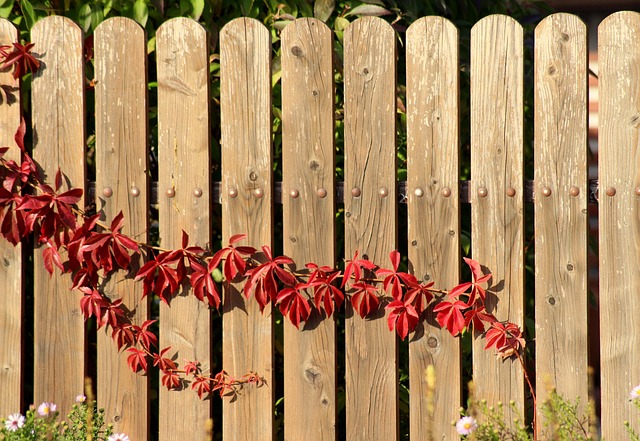
New Bedford homeowners looking to enhance their outdoor spaces and safeguard their privacy have a powerful tool at their disposal: the privacy fence. This guide offers an indispensable resource for maintaining and optimizing these structures, ensuring they serve as functional and aesthetically pleasing additions to your property. We’ll explore various types of privacy fences suitable for New Bedford’s landscape, providing a deep dive into regular maintenance checks, effective cleaning and repainting techniques, and timely repair or replacement strategies. By following these expert tips, you can extend the lifespan of your privacy fence while enhancing its curb appeal and functionality.
- Understanding Privacy Fences: Types and Benefits for New Bedford Homes
- Regular Maintenance Checks: What to Inspect and When
- Cleaning and Repainting: Keeping Your Fence Aesthetically Sound
- Repair and Replacement: Recognizing Signs and Choosing the Right Materials
Understanding Privacy Fences: Types and Benefits for New Bedford Homes
Privacy fences are a valuable asset for New Bedford homeowners, offering not just a physical barrier but also peace of mind and enhanced property value. Understanding the types and benefits of these fences is crucial for effective maintenance.
New Bedford, with its diverse neighborhoods and varied landscapes, presents unique challenges and opportunities when it comes to fence selection and upkeep. The most common privacy fence materials include wood, vinyl, and chain link, each offering distinct advantages and maintenance requirements. Wood fences exude natural beauty but demand regular staining or sealing to resist rot and insects; vinyl fences are low-maintenance and resistant to weather damage, while chain link offers security at a lower cost but requires occasional cleaning and painting.
Regular inspection is key to maintaining any privacy fence. Check for loose boards, broken posts, or rusted components. Addressing issues promptly prevents minor problems from escalating. For wood fences, annual sealing or staining not only preserves aesthetics but also shields the fence from environmental factors. Vinyl fences benefit from periodic cleaning with mild soap and water to remove mildew or dirt buildup. Chain link fences should be inspected for any signs of damage or wear, and the coating on galvanized fencing should be maintained to ensure longevity.
Beyond routine maintenance, seasonal adjustments are important. In New Bedford’s harsh winters, fences may expand and contract due to temperature changes, potentially leading to warping or loose connections. Consider reinforcing or securing your fence as needed. Conversely, during the bustling summer months, dense foliage nearby can obstruct views, underscoring the importance of strategic planting and trimming to maintain your desired level of privacy.
Regular Maintenance Checks: What to Inspect and When
Maintaining your privacy fence is a key part of keeping your New Bedford home secure and looking its best. Regular checks are crucial to spot potential issues early on. Here’s what you should look for and when to inspect your fence to ensure it remains in top condition.
Start by conducting a thorough visual inspection every month. Look for any signs of damage, such as broken boards, loose pickets, or warped posts. Check for rust on metal components, especially if your fence includes aluminum or steel elements. Also, pay attention to the hardware – hinges, latches, and nails should be secure. Even minor issues can worsen over time, leading to more extensive repairs if left unattended.
In addition to visual checks, it’s important to inspect the fence’s stability every quarter (every three months). Ensure all posts are firmly in the ground and that the fence lines up correctly with your property boundaries. Check for signs of shifting or settling, which might indicate problems with the soil or foundation beneath the fence. Addressing these issues promptly will prevent further damage and ensure the longevity of your privacy barrier.
Don’t forget to clean your fence regularly, typically twice a year during spring and fall. Buildup of dirt, leaves, and other debris can attract pests, weaken paint or finish, and impair visibility through the fence. Use a soft-bristled brush and mild detergent for cleaning, followed by a fresh coat of paint or sealant if needed to protect against the elements.
Cleaning and Repainting: Keeping Your Fence Aesthetically Sound
Keeping your New Bedford privacy fence in top condition is an investment in both your home’s value and your peace of mind. Regular cleaning and repainting are essential to prevent damage from elements like rust, mold, and mildew. Start by sweeping or brushing away debris and loose dirt with a soft-bristled brush. Then, use a pressure washer or garden hose to remove stubborn stains and grime. Remember, gentle but thorough is the key – you want to clean without causing any scratch marks or damage to the fence’s surface.
After cleaning, it’s time for repainting. Choose a high-quality outdoor paint suitable for metal fences. New Bedford’s coastal climate demands resilience against salty air and rain, so opt for a paint designed for such conditions. Use a roller or brush to apply an even coat of paint, making sure to cover all surfaces evenly. This not only enhances the aesthetic appeal but also provides a protective layer against environmental factors.
Don’t underestimate the power of regular maintenance – a well-kept fence not only boosts your home’s curb appeal but also extends its lifespan. Consider setting up a semi-annual cleaning and repainting schedule to prevent minor issues from becoming major headaches down the road. Remember, a healthy, vibrant fence is a sign of a caring homeowner – one that New Bedford neighbors are sure to notice and appreciate.
Repair and Replacement: Recognizing Signs and Choosing the Right Materials
Privacy fences play a vital role in New Bedford homeowners’ outdoor spaces, providing a sense of seclusion and security. Regular maintenance is key to ensuring these fences remain functional and aesthetically pleasing. This section delves into the art of repairing and replacing fence components, focusing on recognizing signs of wear and choosing suitable materials.
Over time, fences may show signs of decay or damage, particularly in New Bedford’s ever-changing weather patterns. Rotting wooden posts, rusted metal hardware, and broken or missing pickets are common issues. Homeowners should regularly inspect their fences to identify these problems early on. For example, a quick visual check during springtime can reveal any winter-related damage, such as broken chains or warped panels. By addressing these issues promptly, homeowners can prevent further deterioration.
When repairing or replacing fence components, selecting the right materials is essential for durability and longevity. For wooden fences, treating posts and boards with waterproof sealers can protect against rot and mold. Opting for pressure-treated wood ensures a more robust structure that can withstand various weather conditions. Metal fences, on the other hand, benefit from regular painting or coating to prevent rust buildup, especially in humid environments like New Bedford’s. Consider galvanized steel or aluminum alloys for increased resistance to corrosion.
Choosing high-quality materials and staying proactive with maintenance will ensure your privacy fence remains a functional and attractive addition to your home. Regular care can extend the life of your fence, saving you from costly replacements in the long run.
About the Author
Meet Sarah Jenkins, a renowned landscape architect and privacy fence specialist serving New Bedford residents. With over 15 years of experience, Sarah holds certifications in Sustainable Landscaping and Fence Design from the National Association of Landscape Professionals (NALP). As a contributing writer for Fine Home Building magazine and an active member of the International Fencing Society, she brings authoritative insights to homeowners. Her expertise lies in creating functional, aesthetically pleasing privacy fences tailored to New Bedford’s unique outdoor spaces.
Related Resources
Here are 7 authoritative resources for an article about Privacy Fence Maintenance Tips for New Bedford homeowners:
- Massachusetts Department of Environmental Protection (Government Portal): [Offers guidance on property maintenance practices, including those related to outdoor structures like fences.] – https://www.mass.gov/orgs/department-of-environmental-protection
- Housing and Urban Development (HUD) (Federal Agency): [Provides resources for homeowners, including information on maintaining and improving homes, which can be applied to privacy fences.] – https://www.hud.gov/
- New Bedford Parks & Recreation Department (Local Government): [Offers insights into local regulations and best practices for fence maintenance in the New Bedford area.] – https://newbedford-ma.gov/departments/parks-recreation
- The Home Depot (Retailer & Online Resource): [A trusted source for home improvement advice, including how-to guides and product recommendations for fencing materials and tools.] – https://www.homedepot.com/
- National Association of Home Builders (NAHB) (Industry Association): [Presents industry standards and best practices for construction and maintenance, including fence installation and upkeep.] – https://www.nahb.org/
- Extend the Life of Your Fence (Home Improvement Blog): [Offers practical tips and troubleshooting advice specific to fence maintenance from an experienced contractor based in New England.] – https://newenglandfencingexperts.com/fence-maintenance/
- Local Hardware Stores (e.g., Lowe’s, Ace Hardware) (Retail Outlets): [In-store resources and knowledgeable staff can provide location-specific advice on fence maintenance materials and techniques.] – Visit local stores for in-person assistance